Permitting reform has driven a wedge into the US climate movement
Published in Political News
The U.S. climate movement is deeply divided over the permitting reform bill currently moving through Congress, fracturing the coalition that came together a few years ago to support former President Joe Biden’s signature climate law, the Inflation Reduction Act.
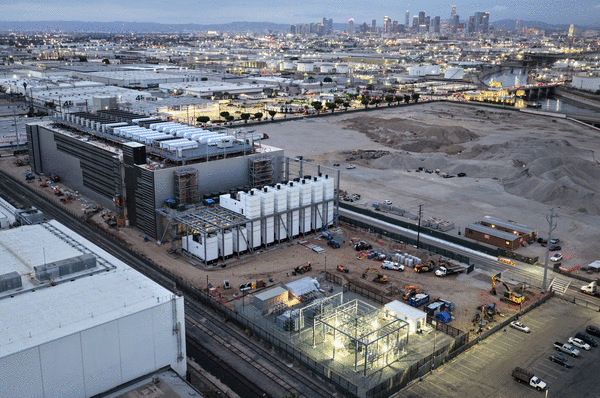
Known as the Bipartisan American Affordability and Jobs Act, or BAAJA, the legislation would make it easier to build everything from data centers to fossil fuel pipelines to clean energy projects. After President Donald Trump endorsed the bill in early November, the Senate passed it. But with only a few weeks left in the congressional session, the bill’s fate in the House of Representatives is unclear.
Contributing to its uncertain fate are the opposing reactions from climate supporters. The broad coalition of Democratic lawmakers, companies, labor groups, scientists and advocates that backed the IRA is now splitting into different camps.
Just this week, more than 100 climate scientists and scholars published an open letter to the House urging members to vote no on the bill because it changes landmark environmental laws and would boost new fossil fuel projects. Meanwhile, three House Democrats who are vocal clean energy supporters — Sean Casten of Illinois and Mike Levin and Jared Huffman of California — came out against the bill’s current text. That’s despite it being sponsored by one of the Senate’s biggest climate hawks, Democrat Sheldon Whitehouse of Rhode Island.
Different analyses of the bill have found enactment would lead to lower or higher power-sector emissions. But they more or less agree that it’s likely to help reduce household energy bills.
Climate advocates generally think permitting reform is needed to boost the nation's clean energy build-out to meet growing energy demand and do it in a way that cuts energy-linked emissions. The current fault lines are over the potential for this bill to also boost fossil fuel and data center expansion while weakening tribal rights as well as laws that protect clean water, endangered species and historically important places.
Noah Kaufman, a senior research scholar at Columbia University’s Center on Global Energy Policy, said that on one hand, there are people who see permitting reform as “the single most important thing we can do for the climate.” This group includes a mix of renewable energy companies and labor organizations, as well as some climate and clean energy activists, Democratic lawmakers and former Biden administration climate leaders.
On the other side, Kaufman said, are people who see how this bill will alter environmental standards and boost fossil fuels and ask: How can you really call this a climate bill? This camp includes some prominent national and local environmental groups, tribal communities, current and former environmental regulators and more.
“I’m not really surprised that the clean energy industry and the environmental community aren’t on the same page in this particular case,” said Ethan Zindler, head of country and policy research at BloombergNEF. The clean energy industry’s top priority is “to maximize deployment of their own technologies,” he said, while environmental groups “will do a bit broader math, looking at overall plusses and minuses of any legislation.”
If this week is any indication, a growing number of groups have now done this calculation and decided to come out in opposition of the bill, at least in its current form. House Democrats are paying close attention.
“There’s a lot more going on in BAAJA than just streamlining the permitting system,” said Huffman in a video he recently posted on social media. “As drafted, this bill is the most sweeping rollback of environmental laws that we’ve ever seen.”
He wants the House to amend the bill — not vote on it in the current form, which is what House leadership is pushing for.
But it’s unclear whether there’s enough time in the lame-duck session to do that. “They’re fighting a ticking clock,” said Charlotte Jenkins, vice president at Capstone LLC, a global consulting firm based in Washington, DC. Although this is the closest a permitting reform bill “has ever gotten to becoming law,” she said, her team is “not as optimistic that this will pass in the House.”
In January, a new session of Congress will begin with Democrats holding sizable majorities in both chambers. But it won’t be enough to overcome expected vetoes from Trump, dimming the chances of Democrats being able to pass their own version of permitting reform. Whatever happens on the issue right now, the dynamics among environmentalists will no doubt shift once more.
Zindler said he doesn’t expect the rupture in the climate movement to be permanent: “When their top priorities overlap again, as they no doubt will on any variety of topics, I’d anticipate they’ll cooperate.”
_____
©2026 Bloomberg L.P. Visit bloomberg.com. Distributed by Tribune Content Agency, LLC.
















































Comments