GLP-1s show promise in treating addiction
Published in Health & Fitness
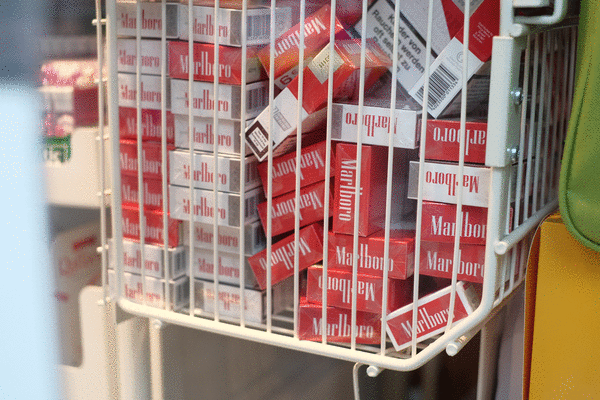
A popular class of drugs for treating diabetes and obesity reduces addiction, including abuse of alcohol, tobacco, cannabis, opioids and cocaine, according to research published March 4 by researchers from Washington University in Saint Louis, Missouri.
The large study involving 600,000 veterans with diabetes found that those taking GLP-1 medications were less likely to develop addictions and had fewer drug overdoses and deaths.
“I was like, ‘Is this real?’ because there is nothing like it,” clinical epidemiologist Ziyad Al-Aly, lead author of the study, told Scientific American. “This is an obesity and diabetes drug; this is not an addiction drug. So the big surprise was: It was consistently working across all substances.”
The researchers followed patients with type 2 diabetes in the Veterans Administration health care system for three years. Patients using GLP-1 medications with no past substance abuse reduced their risk of addiction by 14% across all substances compared to those not on the medicine. The largest risk reduction came from opioid use — 25%.
Among those with existing addictions who started a GLP-1 treatment, they reported a 31% reduction in substance-abuse related emergency room visits, a 26% decline in hospital admissions, 39% fewer overdoses and a 25% drop in suicidal ideation or attempts. Overall, drug-related deaths dropped 50% for those on the medications.
That improvement is greater than a national decline in overdose deaths. Preliminary data from the Centers for Disease Control and Prevention shows a 31% decline in overdose deaths in Maryland from 2,038 in 2024 to 2,406 in 2025. University of Maryland criminologist Peter Reuter told The Baltimore Sun that a global shortage of Fentanyl chemicals may be driving that drop in deaths.
“Drugs or alcohol can hijack the pleasure/reward circuits in your brain and hook you into wanting more and more,” the National Institutes of Health website states. “Addiction can also send your emotional danger-sensing circuits into overdrive, making you feel anxious and stressed when you’re not using the drugs or alcohol.”
Exactly how the medications reduce drug cravings is not fully understood. Still, researchers told Scientific American that it might have to do with similar reward pathways in the brain for food and drugs. The GLP-1 medications mimic a hormone produced in the intestinal system that increases insulin production and tells the brain you’re full. Early studies show that GLP-1 users drink less alcohol and feel less drunk.
©2026 The Baltimore Sun. Visit at baltimoresun.com. Distributed by Tribune Content Agency, LLC.







Comments