
Environmental Nutrition: Spotlight on supplements: MCT Oil
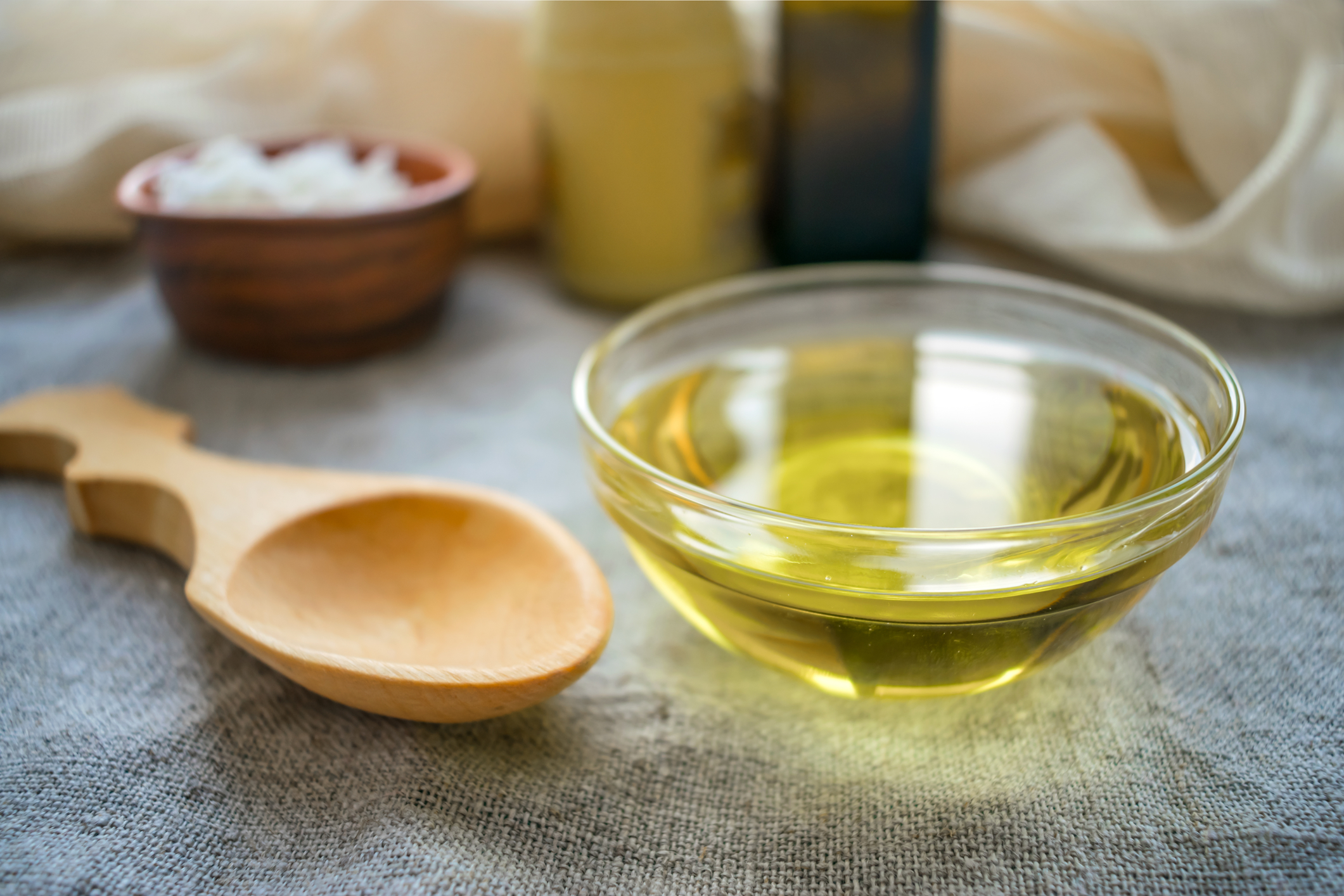
MCT is a type of fat called medium chain triglycerides found naturally in coconut oil and palm kernel oil and offered as supplements. MCTs were developed in the 1950s from coconut and palm kernel oil, and were first used medically for mal- absorption disorders, and more recently they have been promoted for weight loss and enhanced athletic performance, among other applications.
Areas of benefit
When consumed, MCTs are easily digested, and less likely to be laid down as fat in the body compared with other sources of fat in the diet. This suggests that MCTs may help with weight loss. Research in that area remains promising, but inconclusive. MCTs also may be beneficial for skin conditions. In the 1970s, the MCT ketogenic diet was created to effectively treat epilepsy in cases where medication had not been effective.
A recent well-controlled study found that MCT oil intake (1.8 tablespoons per day) either stabilized or improved cognition in 80% of Alzheimer’s disease patients with mild to moderate disease.
Risks and safety concerns
MCTs are found in several foods, including coconut oil, palm kernel oil, butter, milk, yogurt, cheese, and dark chocolate. A wide range of MCT supplements are available and are generally considered to be safe if not taken in large amounts. MCT oils are saturated fats and, while they are less likely than other fats to cause weight gain, they may increase levels of “bad” cholesterol in the blood, which is associated with an increased risk for cardiovascular disease. Overconsuming can cause stomach pain, gas, cramps, bloating and diarrhea.
Dosage
While there is no official recommended intake for MCT oil, one study out of Baylor University examining the effect of MCT on physical endurance found that 30 grams (about two tablespoons) to be the safe maximum dosage to minimize adverse reactions. This oil can be incorporated into smoothies, salad dressings, coffee, and can be used in some baked goods. MCTs are also available in powder, softgels and capsule form.
The bottom line
MCT oil is easier to digest than other oils and provides a more immediate source of energy, but is generally more expensive than oils, like canola and soybean oil. This oil has a low smoke point and burns easily, so it shouldn’t be used in high-temperature cooking like frying. While MCT oil is promoted for a long list of conditions and diseases, there is little convincing evidence for many of them.
(Environmental Nutrition is the award-winning independent newsletter written by nutrition experts dedicated to providing readers up-to-date, accurate information about health and nutrition in clear, concise English. For more information, visit www.environmentalnutrition.com.)
©2026 Belvoir Media Group, LLC. Distributed by Tribune Content Agency, LLC.








Comments