Traveling with Cats and Dogs: What to Know Before You Go
Published in Cats & Dogs News
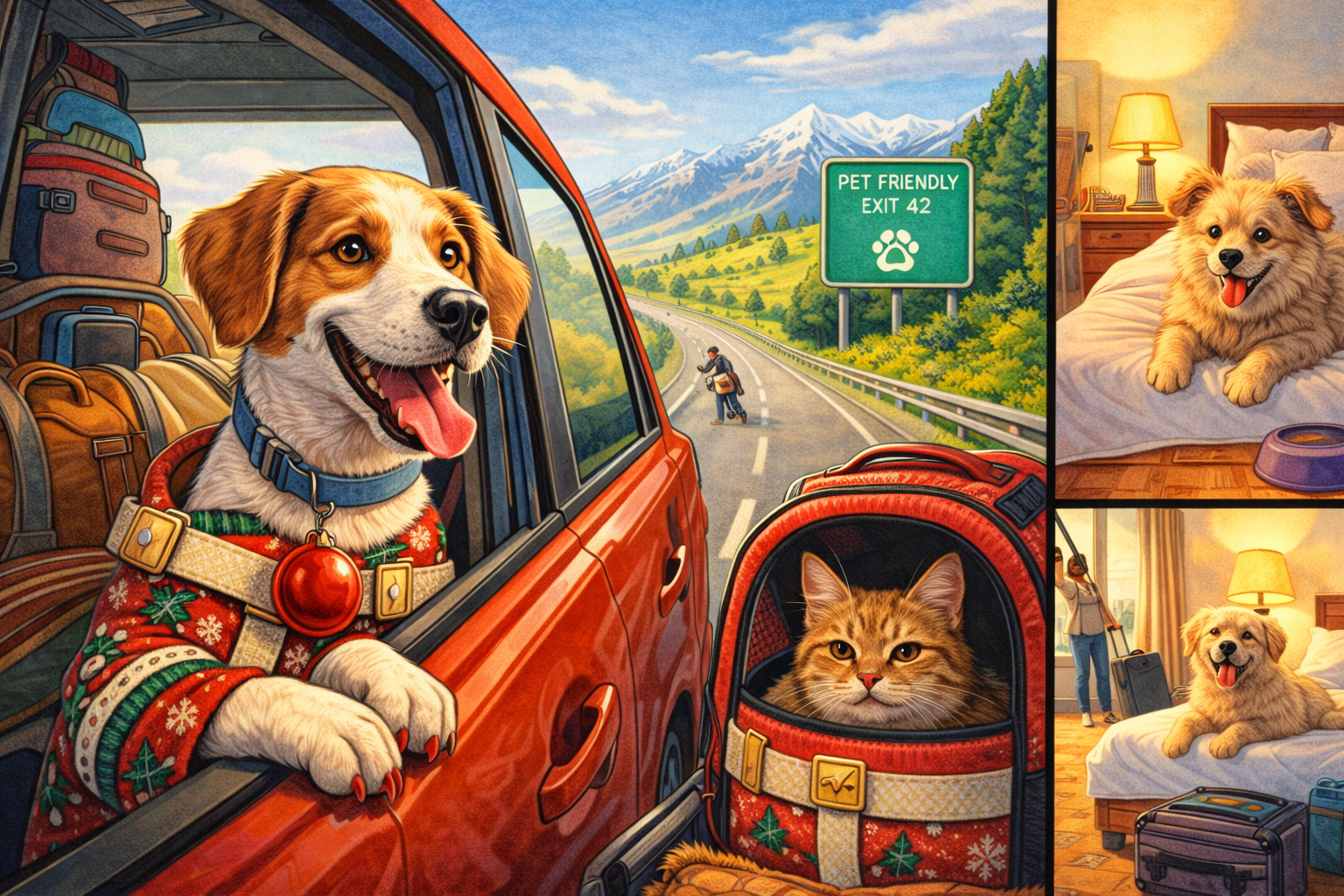
Traveling with pets used to be a niche endeavor reserved for the determined or the desperate. Today, it is increasingly mainstream. More hotels advertise pet-friendly policies, airlines have refined in-cabin rules, and owners are less willing to leave animals behind. Yet the romantic image of a dog with its head out the car window or a cat serenely curled in a carrier rarely captures the preparation required to make travel safe and humane.
The difference between a smooth trip and a stressful one often comes down to understanding how animals experience movement, unfamiliar environments, and disruption to routine.
Know Your Pet’s Temperament Before You Plan
Some animals are natural travelers. Others tolerate it. A few genuinely struggle. Dogs tend to fall along a spectrum: confident, adaptable dogs often handle travel well, while anxious or motion-sensitive dogs may find even short trips difficult. Cats, as a rule, are more sensitive to displacement. Many associate carriers and vehicles with veterinary visits, making travel inherently stressful.
Before committing to a trip, observe how your pet responds to short drives, new spaces, and changes in routine. A weekend away may be reasonable for one animal and overwhelming for another. Knowing the difference is an act of care, not limitation.
Preparation Starts Weeks in Advance
Successful pet travel is rarely spontaneous. For dogs, conditioning can begin with brief car rides paired with positive reinforcement. For cats, leaving the carrier out at home—open, padded, and inviting—can reduce fear by reframing it as a familiar space rather than a warning sign.
Health considerations matter as well. Pets should be current on vaccinations, and owners should carry veterinary records, particularly when crossing state lines or staying in shared accommodations. Microchipping and updated ID tags are strongly recommended, even for animals that never leave home under normal circumstances.
Cars: Safety Over Sentiment
The image of a free-roaming dog in a moving vehicle persists, but it is not safe. Sudden stops can turn an unrestrained animal into a projectile, endangering both the pet and human occupants.
Dogs should travel in crash-tested harnesses or secured crates. Cats should always be in carriers, positioned so they remain stable during turns and stops. Loose animals are not only at risk during accidents; they can also distract drivers at critical moments.
Frequent breaks are essential, especially for dogs. Plan stops every two to three hours for bathroom breaks, hydration, and brief movement. Cats may not need stops, but they do benefit from a quiet, temperature-controlled environment.
Air Travel: Not All Pets Are Good Candidates
Flying with pets requires careful consideration. Many airlines allow small dogs and cats in-cabin, provided they remain in approved carriers under the seat. Larger animals often must travel as cargo, a practice that carries additional risks and is not appropriate for every pet.
Brachycephalic breeds—those with short noses, such as bulldogs and Persian cats—are particularly vulnerable to respiratory distress during flights. For these animals, alternatives to air travel should be strongly considered.
Sedation is sometimes suggested but is generally discouraged unless specifically recommended by a veterinarian. Sedatives can interfere with balance and temperature regulation, especially at altitude.
Hotels and Rentals: Read the Fine Print
“Pet-friendly” does not always mean pet-welcoming. Some accommodations impose size limits, breed restrictions, or additional fees. Others may allow pets but lack practical amenities such as nearby green space or soundproofing.
When booking, ask specific questions. Are pets allowed to be left alone in the room? Are there designated relief areas? What happens if another guest complains? Clear expectations reduce stress for everyone involved.
Bringing familiar items—beds, blankets, toys—can help pets settle more quickly. Familiar scents anchor animals in unfamiliar places.
Routine Is the Hidden Stabilizer
Travel disrupts routine by definition, but maintaining elements of normalcy can dramatically reduce stress. Feed pets at their usual times when possible. Keep walks, play, and rest periods consistent. Even small rituals—such as a familiar phrase before bedtime—can provide comfort.
Cats, in particular, benefit from predictable patterns. A quiet room, a covered carrier, and minimal handling during the first hours in a new space can make a significant difference.
When Things Go Wrong
Despite preparation, challenges arise. A dog may refuse to eat. A cat may hide. These behaviors are common responses to stress and usually resolve with time and patience.
Know the location of nearby veterinary clinics at your destination. Carry a basic pet first-aid kit and any medications your animal requires. Preparation for problems does not invite them; it mitigates their impact.
Is Traveling with Pets Always the Right Choice?
The growing desire to include pets in every aspect of life is understandable. For many animals, traveling with their people is preferable to being left behind. For others, staying home with a trusted caregiver may be kinder.
There is no universal answer. Responsible pet travel is not about proving devotion; it is about making informed, compassionate decisions based on the individual animal.
Travel can enrich a pet’s life—or unnecessarily strain it. The difference lies in preparation, honesty, and respect for how animals experience the world. When done thoughtfully, traveling with cats and dogs can deepen bonds and expand shared experiences. When done carelessly, it can erode trust.
The goal is not to take pets everywhere. It is to take them where they can thrive.
========
This article was written, in part, utilizing AI tools.








Comments