Foot and Ankle Tattoos Step Into the Fashion Spotlight
Published in Fashion Daily News
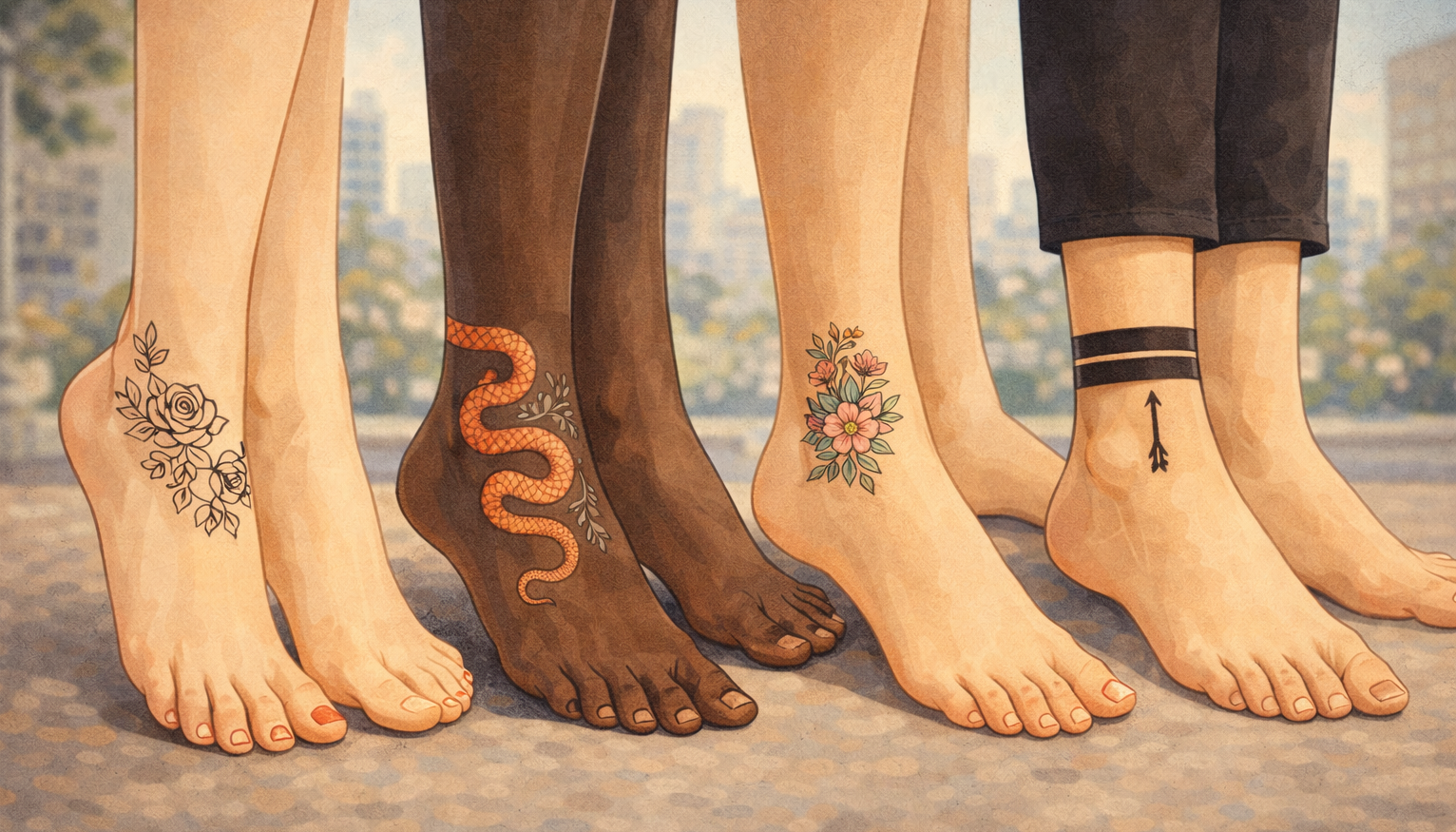
Once considered a risky placement best avoided by cautious tattoo clients, foot and ankle tattoos have quietly become one of the most expressive—and fashion-conscious—areas of body art. Long associated with delicate motifs and personal symbolism, these tattoos now occupy a broader cultural space, intersecting with footwear trends, street style, and high fashion’s renewed interest in the body as canvas.
A Placement That Demands Attention
Foot and ankle tattoos are impossible to ignore, even when partially concealed. Unlike larger pieces that may disappear under clothing, tattoos in this region appear and vanish depending on shoes, seasons, and posture. That intermittent visibility is part of their appeal. A design revealed only in sandals or when crossing one’s legs carries an intentionality that aligns with contemporary fashion’s emphasis on detail.
Designers and stylists increasingly view the ankle as an accessory zone, akin to jewelry. Tattoos here function as permanent adornment, replacing anklets or complementing minimalist footwear. The foot itself, once considered an unconventional canvas, now plays a role in styling choices, from cropped trousers to open-backed heels.
Design Trends and Aesthetic Choices
Early foot and ankle tattoos often leaned toward small, ornamental imagery—stars, vines, symbols, or text. Today’s trends reflect a wider range of influences. Botanical linework, geometric bands, abstract shapes, and illustrative figures are increasingly common. Fine-line work dominates, though bold graphic designs are gaining ground among those willing to embrace visibility and aging as part of the tattoo’s life.
Placement matters as much as imagery. Designs that follow the curve of the ankle bone or the natural lines of the foot tend to integrate more seamlessly with movement. Tattoos on the top of the foot emphasize elegance, while side-of-ankle designs offer subtlety. The sole remains rare, reserved for conceptual statements rather than fashion-forward styling.
Fashion’s Role in the Revival
The resurgence of foot and ankle tattoos parallels shifts in footwear and clothing silhouettes. The popularity of cropped pants, wide-leg trousers worn shorter, and minimalist sandals has created more opportunities for these tattoos to be seen. Even in colder months, styling choices such as ankle-length coats and exposed socks allow glimpses of ink.
High fashion has played a role as well. Runway shows and editorial spreads increasingly feature models with visible tattoos, treating them as part of the overall look rather than distractions. This acceptance has filtered down into everyday style, where tattoos are no longer something to hide but something to coordinate.
Pain, Practicality, and Commitment
Despite their growing popularity, foot and ankle tattoos remain physically demanding. The skin is thin, the nerve density high, and healing can be challenging due to constant movement and friction from shoes. These factors have contributed to their reputation as tattoos for the committed rather than the casual.
From a fashion perspective, this commitment adds to their appeal. Choosing a tattoo in a high-wear, high-visibility area signals confidence and intentionality. Wearers often factor in how designs will age, blur, or fade, selecting styles that accommodate change rather than resist it.
Color, Line, and Longevity
Foot and ankle tattoos are subject to more wear than many other placements. Exposure to sunlight, moisture, and friction can affect longevity. As a result, many artists recommend strong linework and restrained color palettes. Black and dark inks remain popular, though muted earth tones and soft reds have found favor among those seeking warmth without excessive fading.
Fashion sensibilities influence these choices. Just as trends move away from overly ornate accessories toward clean, timeless pieces, tattoo designs in this area often prioritize simplicity and adaptability. A well-placed line drawing can complement multiple styles over decades, while overly intricate work may lose clarity.
Gender, Expression, and Shifting Norms
Foot and ankle tattoos have historically been coded as feminine, but that distinction is eroding. As fashion embraces fluidity and rejects rigid gender norms, tattoos in this region appear on a wider range of bodies and identities. Styling choices—not gender—now dictate how these tattoos are perceived.
In professional and social settings, acceptance has increased. While some workplaces remain conservative, the ankle’s ability to be covered offers flexibility. This balance between expression and discretion mirrors broader fashion trends that favor versatility.
The Tattoo as Accessory
In an era of curated wardrobes and intentional consumption, tattoos function as permanent accessories. Foot and ankle tattoos, in particular, occupy a space between adornment and anatomy. They move with the wearer, interact with footwear, and change character depending on context.
This adaptability explains their growing appeal. Rather than dominating an outfit, they punctuate it. A glimpse of ink above a sandal strap or beneath a hemline adds texture and personality, reinforcing the idea that fashion is as much about detail as it is about statement pieces.
Looking Ahead
As fashion continues to embrace individuality and the body as expressive surface, foot and ankle tattoos are likely to remain relevant. Advances in tattooing techniques and aftercare may improve longevity, while evolving style norms will further integrate ink into everyday dressing.
What was once considered a marginal choice has become a deliberate one. Foot and ankle tattoos now sit comfortably at the intersection of art, fashion, and personal identity—visible when intended, hidden when necessary, and always in motion.
========
Chad Adotta is a culture and lifestyle writer whose work explores the intersection of fashion, body art, and everyday self-expression. His reporting focuses on how personal style evolves alongside broader social and aesthetic trends. This article was written, in part, utilizing AI tools.






Comments