Common Pitfalls You May Not Notice
Published in Senior Living
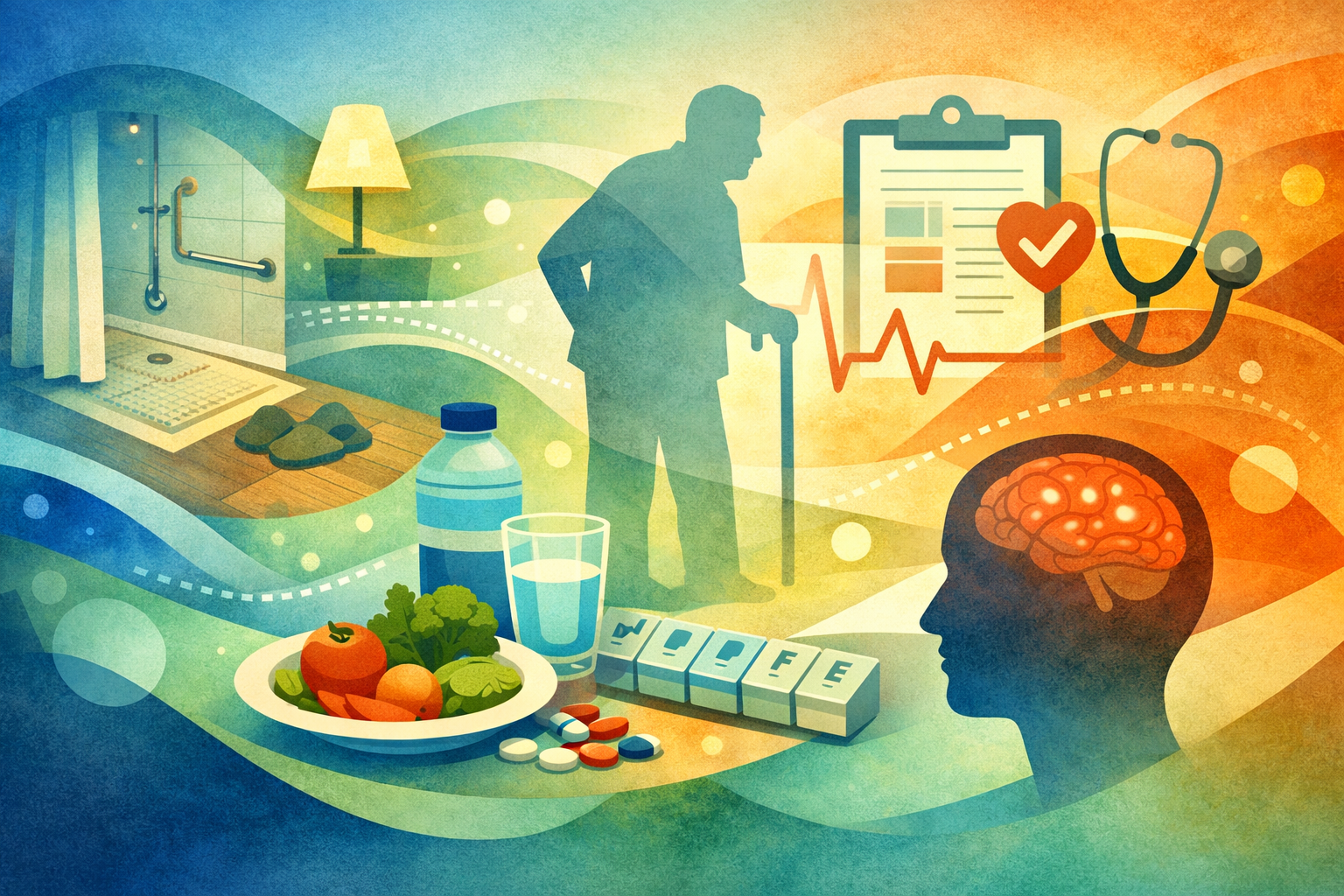
As people grow older, experience brings confidence and perspective. But aging also introduces subtle risks that often go unnoticed until they cause real problems. Many of these hazards are not dramatic or obvious. They develop slowly, hidden in daily routines and familiar environments.
Understanding these everyday risks can help seniors protect their health, safety, and independence.
---
Overlooking Everyday Fall Hazards
Falls remain one of the most common causes of injury among older adults. Yet many hazards are easy to miss. Loose rugs, poor lighting, cluttered walkways, and slippery bathroom surfaces are frequent contributors.
Tubs and showers are especially dangerous because they require balance on wet surfaces. Installing grab bars, using non-slip mats, and improving lighting can greatly reduce risk. Wearing supportive shoes indoors and using handrails when available also helps.
Preventing falls is often about small environmental changes that make daily movement safer.
---
Underestimating Dehydration and Nutrition
Many seniors do not feel thirsty as often as they once did. As a result, dehydration can develop without obvious warning signs. Even mild dehydration can cause fatigue, dizziness, confusion, and headaches.
Nutrition may also suffer when appetite decreases or cooking becomes difficult. Over time, poor eating habits weaken immunity and reduce energy.
Drinking water regularly throughout the day and keeping simple, healthy foods available supports long-term health. Small, frequent meals can be helpful when appetite is low.
---
Ignoring Subtle Changes in Health
Minor symptoms are often dismissed as “just getting older.” Persistent pain, increasing fatigue, new headaches, balance problems, or memory changes may seem harmless at first, but they can signal developing conditions.
Delaying medical care because of inconvenience or cost is another common mistake. Early evaluation often prevents complications and reduces the need for more serious treatment later.
Paying attention to small changes and reporting them promptly supports better outcomes.
---
Mismanaging Medications and Appointments
Many seniors take multiple medications. Without regular review, this can lead to missed doses, accidental double-dosing, or harmful drug interactions.
Skipping follow-up appointments is also common, especially when symptoms improve. However, ongoing monitoring is often necessary to ensure treatment remains effective.
Using pill organizers, keeping updated medication lists, and attending scheduled checkups help reduce these risks.
---
Pushing Through Illness Instead of Resting
Some older adults pride themselves on “pushing through” discomfort. While resilience is valuable, ignoring illness can slow recovery and increase complications.
Viral infections, minor injuries, and fatigue all require adequate rest and hydration. Returning to normal activities too quickly may prolong symptoms.
Listening to the body and allowing time for recovery is an important part of staying healthy.
---
Staying Safe Through Awareness
Most age-related risks do not appear suddenly. They develop through small oversights repeated over time. Fortunately, many are preventable.
By improving home safety, staying hydrated, monitoring health changes, managing medications carefully, and allowing time to rest, seniors can reduce everyday hazards.
Awareness and preparation help preserve independence and quality of life — allowing later years to be lived with confidence and security.
========
Elaine R. Mercer is a health and aging correspondent who focuses on practical strategies for healthy, independent living. She has written for regional newspapers and community publications for more than two decades. Bio: Mercer lives in Pennsylvania and specializes in translating medical and safety research into accessible guidance for older adults. This article was written, in part, utilizing AI tools.



















Comments