Jill On Money: 18 years later, does my advice hold up?

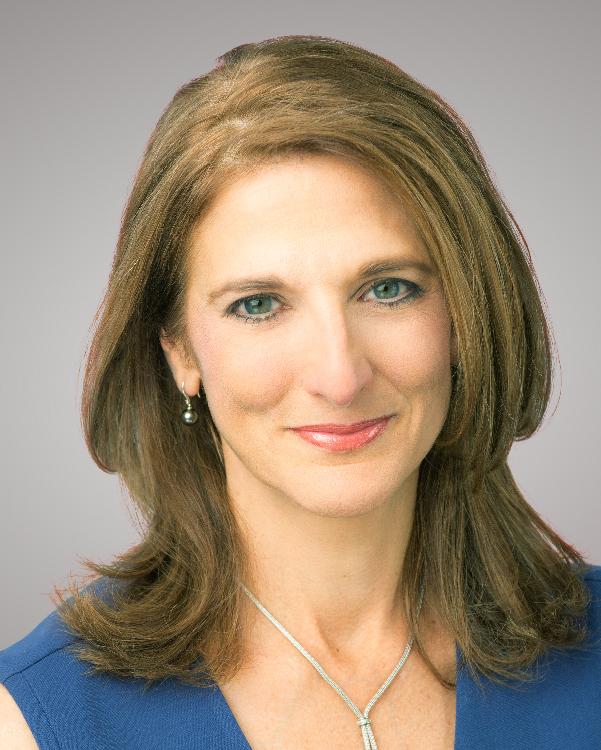


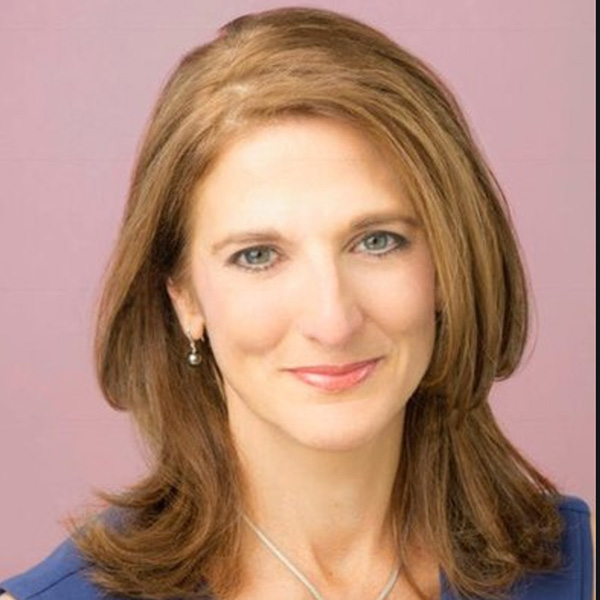
On April 6, 2009, I began the third act of my career, this time in financial journalism. (In Act II, I was the owner of a financial planning and investment management firm, and in Act I, I was a commodities trader on the floor of the (now-defunct) Commodities Exchange of New York.)
In the spring of 2009, just months after the global financial system nearly went off the cliff and amid a brutal recession, CBS News took a flyer on me. I thought that it would be fun to take a stroll down memory lane to see what I was talking about then and if it holds up today.
The big focus when I started at CBS was the stock market, which had cratered by nearly 60 percent from its peak in 2007 until it bottomed in March 2009. At the end of my first day at CBS on April 6, 2009, here is where the three main U.S. stock market indexes closed:
— Dow Jones Industrial Average: 7522
— S&P 500: 835
— NASDAQ Composite: 1606
Here are the three tips that I offered that day:
1) You do not need to buy the bottom or sell the top to be a successful investor. Rather you need to adhere to a diversified portfolio that will allow you to stay in the market even when it feels scary at the bottom and to not pile on too much risk when the good times are rolling.
2) Do not make a major investment decision intraday. If the idea is a good one, then an extra 24 hours of thought will not hurt and may prevent you from executing a reactive trade that is catalyzed by market movement only.
3) Remember that nobody really knows what is going to happen in the short run, so do not fall prey to bull market cheerleaders or bear market Cassandras.
Does this advice hold up? Yes, but in hindsight, it’s awfully wordy!
Because the world felt so chaotic in 2009, in my second week on the job, CBS editors and producers asked me to produce ways that people could feel more in control of their lives, outside of their investments.
Here’s what I came up with:
— Create a financial plan. Incorporate short- and long-term goals and the steps necessary to reach them.
— Increase the amount you have in emergency cash. Plan to live off it longer than 6 months — maybe a year, or 18 months even.
— Pay off your credit cards and reduce consumer debt. Get the debt chain off your neck and out of your life.
— Review your insurance coverage. Shop around and make sure that the coverage reflects changes in your life.
— Create (or update) your will and other estate documents.
Does this advice hold up? Yes.
Thankfully, all of these years later, technology has provided more seamless ways to accomplish these tasks.
In my third week at CBS, I was asked whether people should ditch their brokers and manage their own investments.
Here’s what I wrote:
The first place to start is to ask the following questions:
— Do I want to do this myself?
— Do I have the skills to do this myself?
— Do I have the time to do this myself?
— Do I have the discipline to do this myself?
Does this advice hold up? Yes-full stop.
What has remained constant over the years is the fact that people have a hard time absorbing financial information and more importantly, knowing what to do with that information. That’s what gets me up in the morning and keeps me motivated, all these years later.
_____
_____
========
(Jill Schlesinger, CFP, is a CBS News business analyst. A former options trader and CIO of an investment advisory firm, she welcomes comments and questions at askjill@jillonmoney.com. Check her website at www.jillonmoney.com)
©2026 Tribune Content Agency, LLC







Comments